The ARCHIVES
Evidence preserved. Stories uncovered.
HISTORY DOES NOT DISAPPEAR. IT IS ARCHIVED.
The Urban Atlas Collective Archive preserves photographs, planning documents, community histories, maps, oral histories, and visual evidence that reveal how policy has shaped Baltimore’s neighborhoods over time.
A growing resource for research, storytelling, and public memory, the archive connects the historical record with the lived experience of place.
EXPLORE THE COLLECTIONS
Explore Baltimore through the documents, maps, and images that tell its story.
-
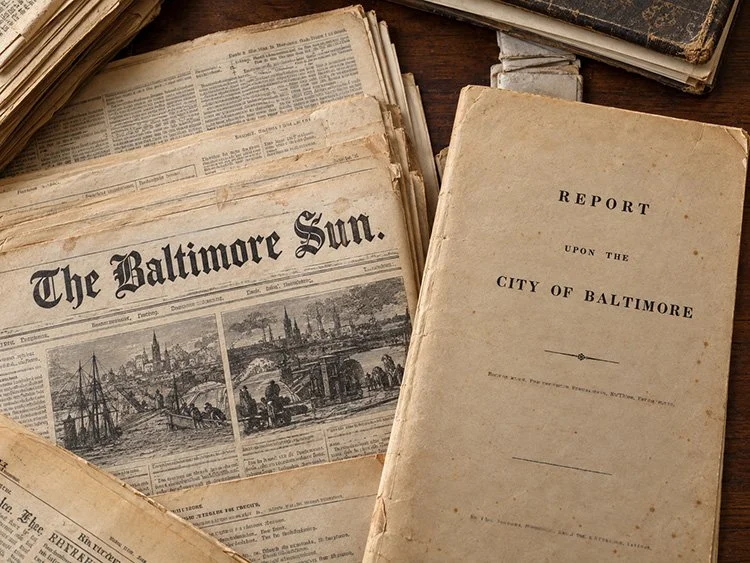
HISTORICAL DOCUMENTS
Planning reports, government records, newspaper articles, correspondence, and primary sources documenting Baltimore’s evolving landscape.
-
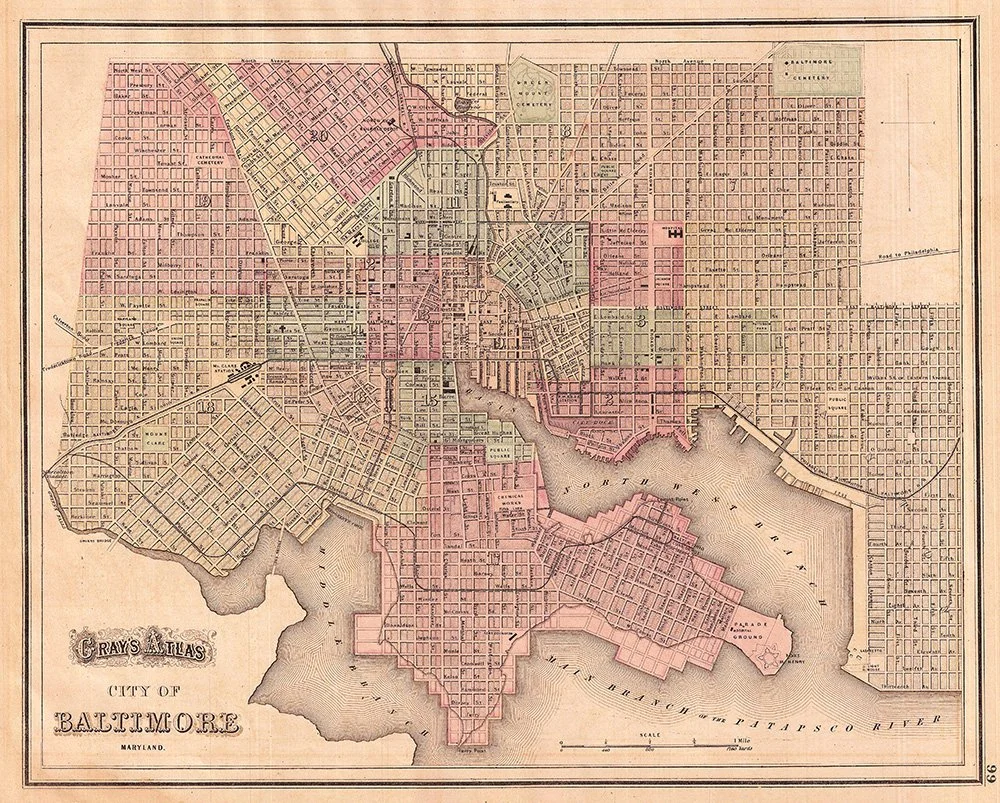
HISTORICAL MAPS
Historic maps, atlases, redlining maps, and planning maps that reveal how policy shaped neighborhoods across Baltimore.
-
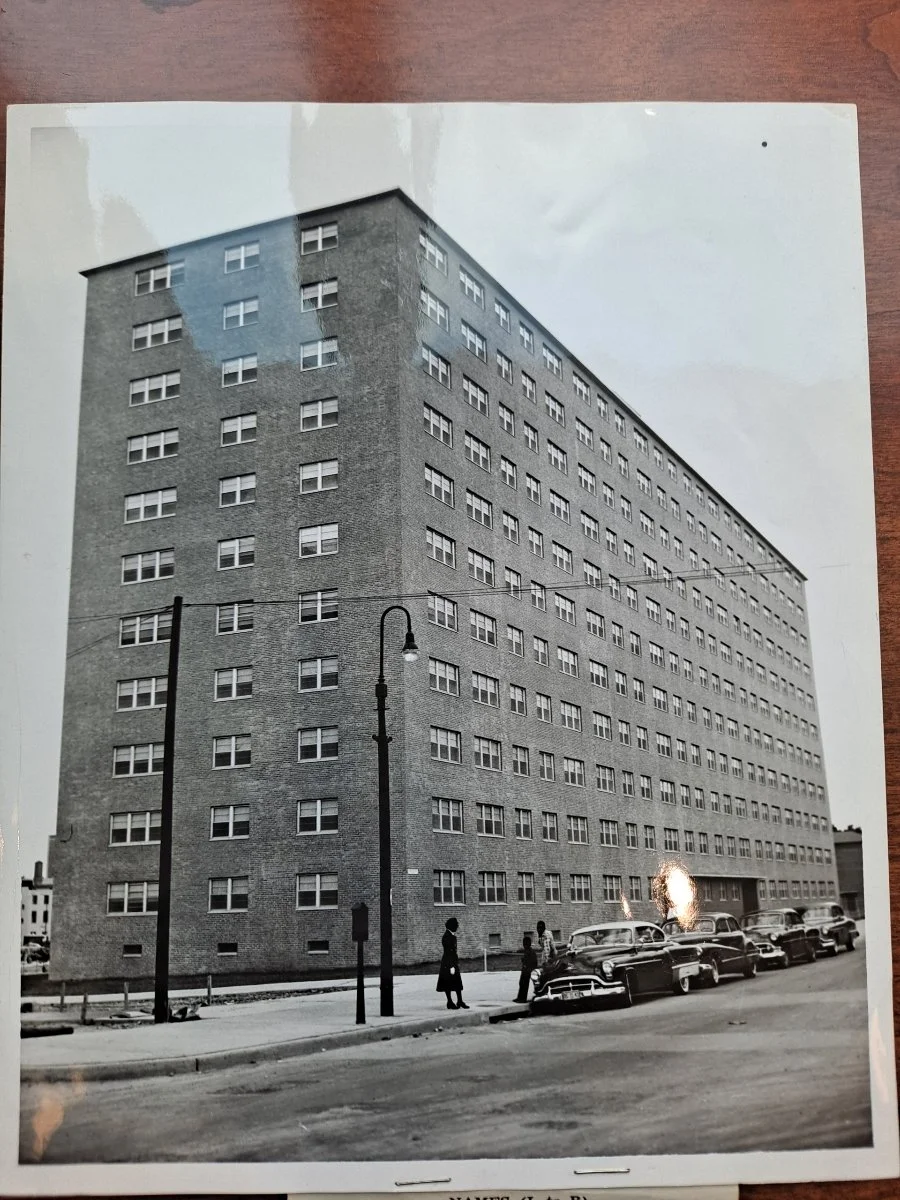
PHOTOGRAPHY / VISUAL ART
Original photography paired with archival images documenting changing neighborhoods, preservation, and transformation.
DOCUMENTARY FIELD WORK
Behind every Urban Atlas Collective project is field research — interviews, observations, archival visits, and documentary practices that connect people to place.
-
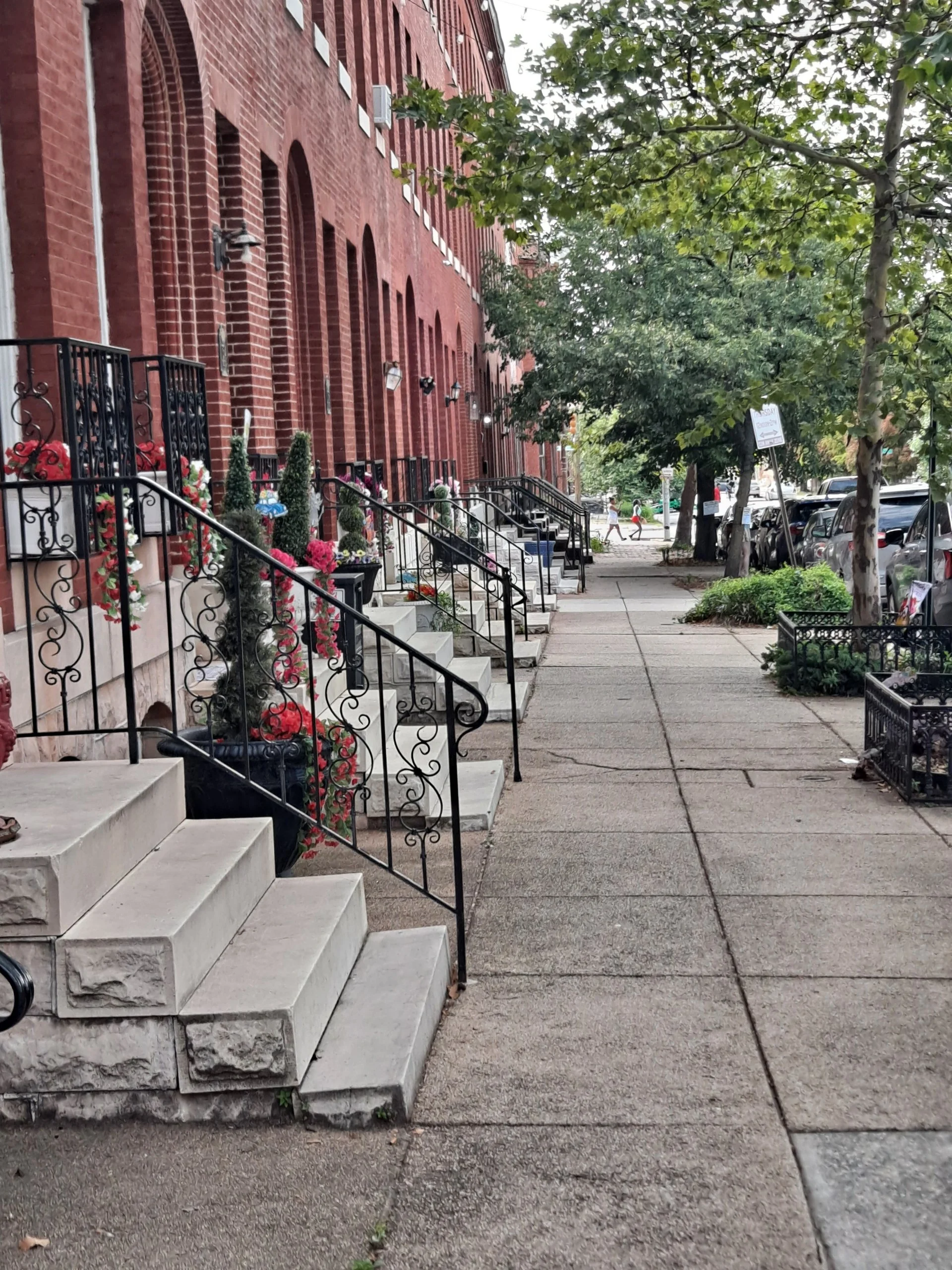
Neighborhood observations
-
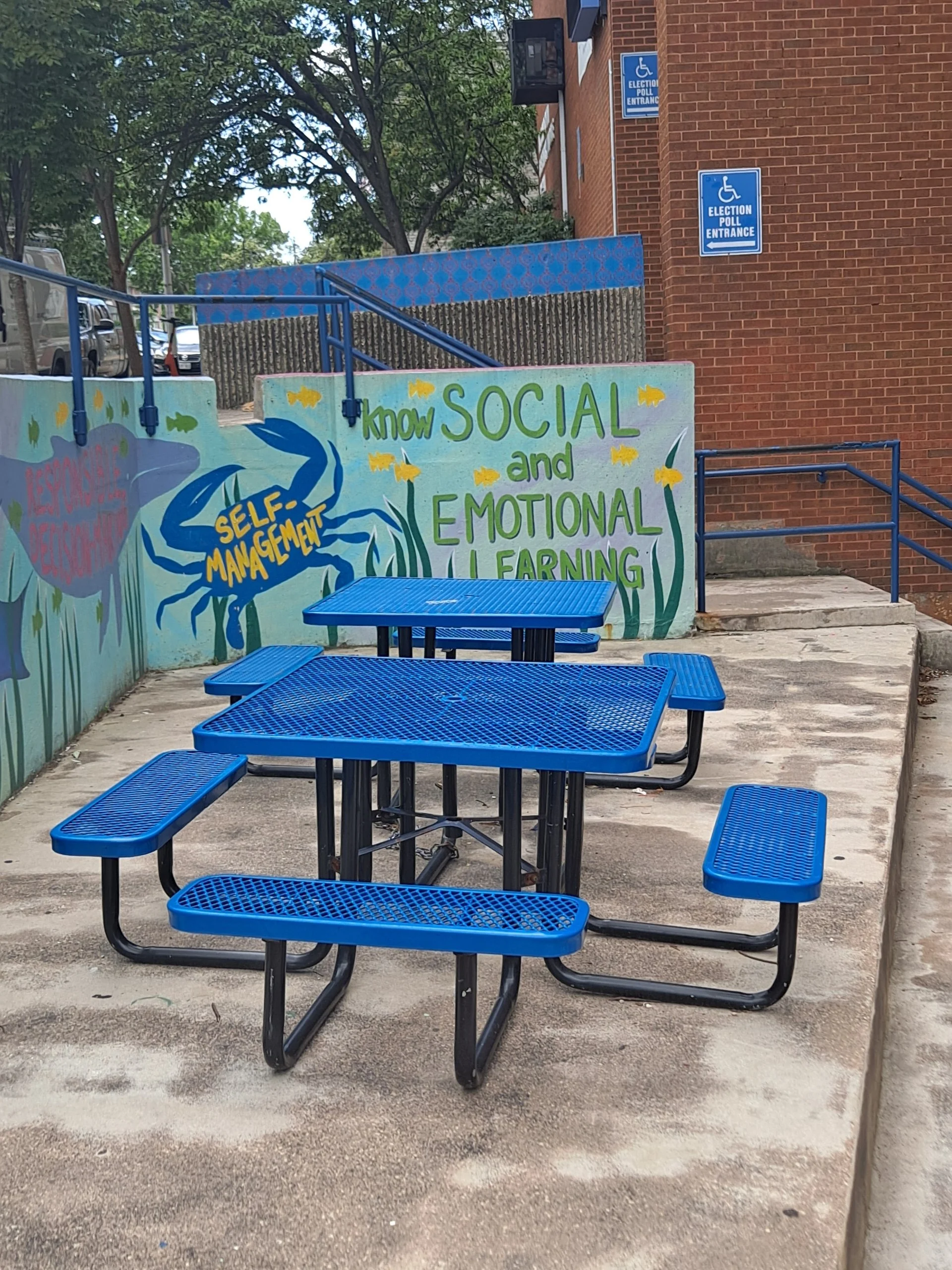
Schools and public space
-
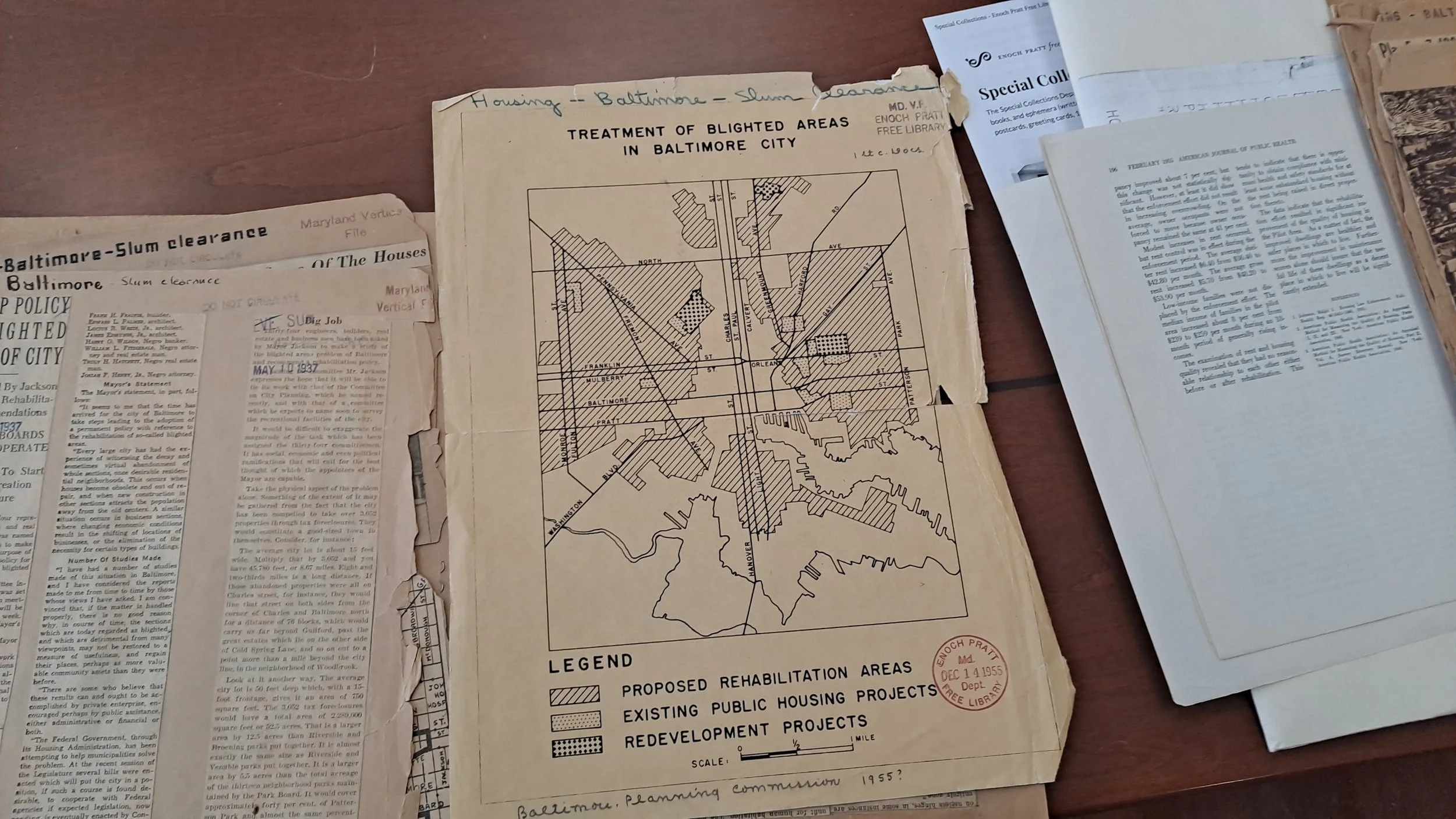
Archival visits
-
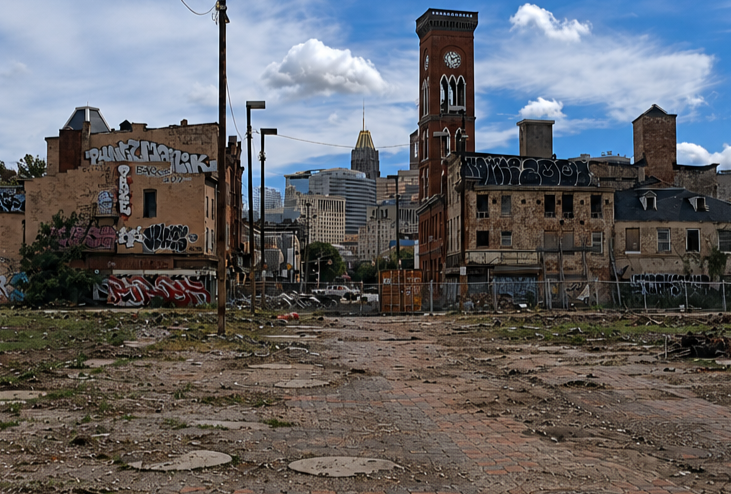
Civic landmarks
-
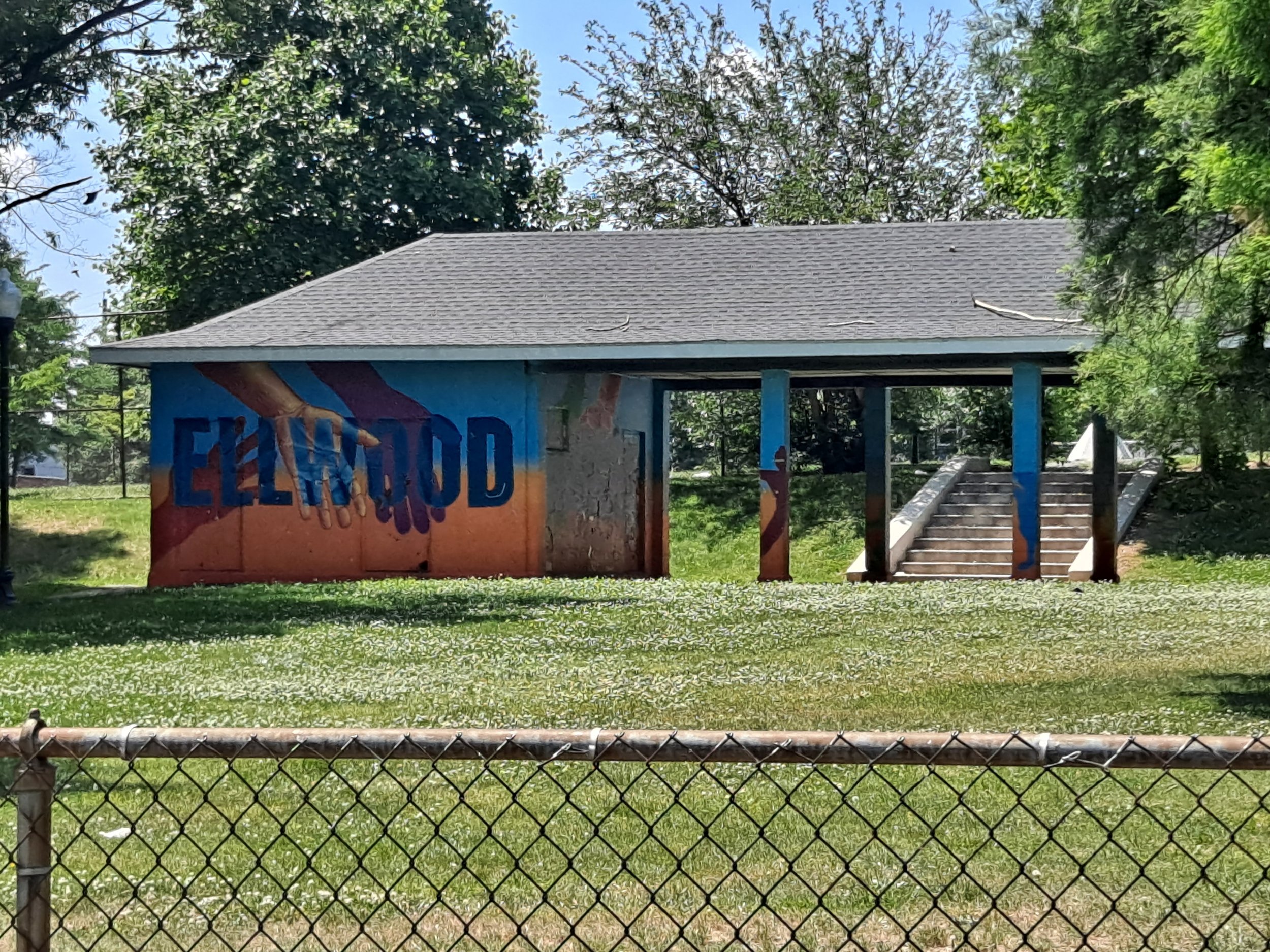
Community spaces
-

Mapping the city
PRESERVING THE RECORD
History lives in maps, photographs, planning documents, newspaper archives, and the lived experiences of communities. Preserving these materials helps connect individual records to a broader story of place, policy, and community.A LIVING ARCHIVE
The archive grows through research, partnerships, and community contributions. Each document, photograph, and story helps build a more complete understanding of Baltimore’s past and present.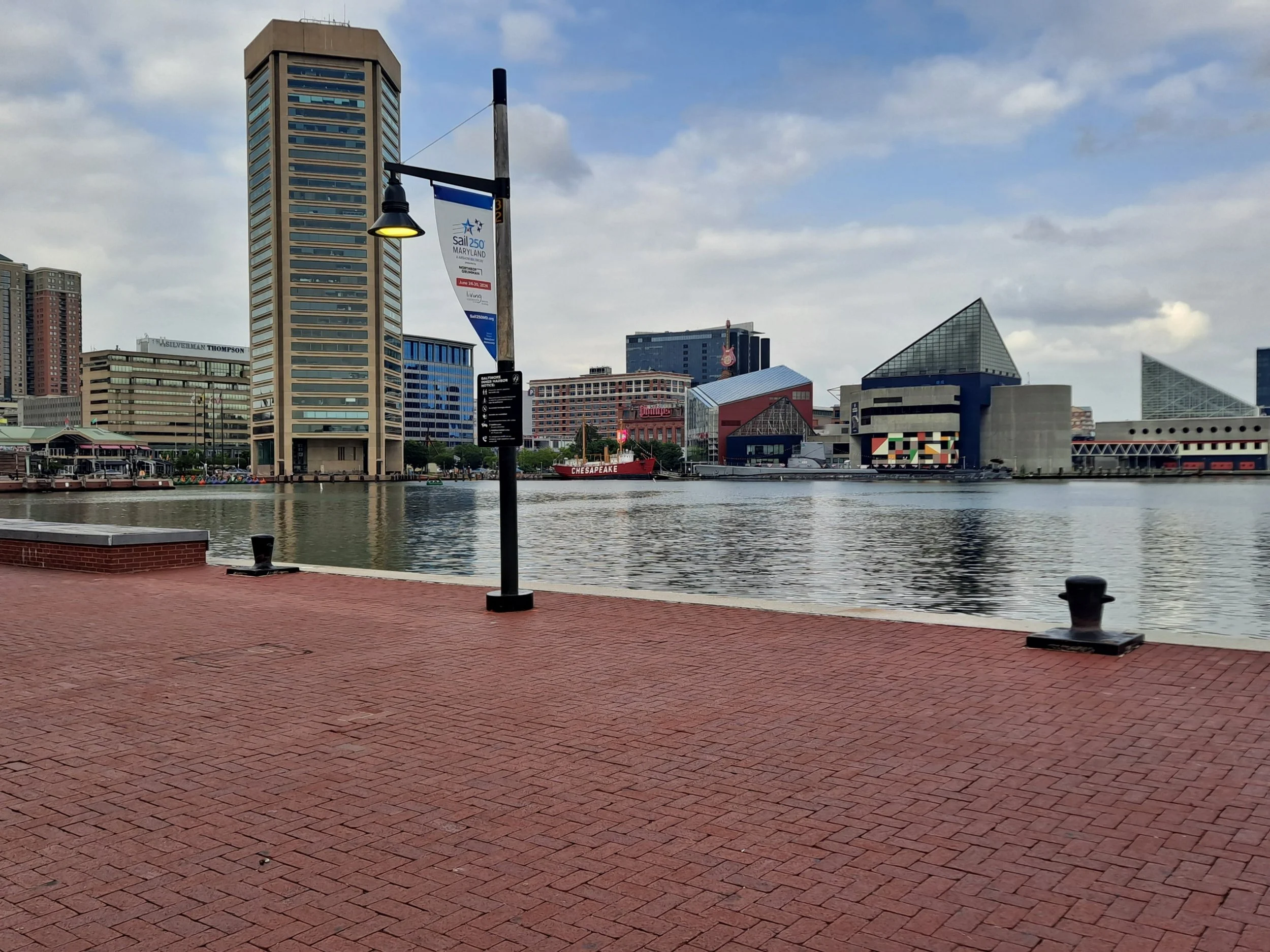

CONTRIBUTE TO THE ARCHIVE
Your History. Your Story.
Help preserve the documents, photographs, and memories that tell Baltimore’s story.