
PROJECTS ᐳ ENVIRONMENTAL JUSTICE
BALTIMORE
TOWER INCIDENT
Environmental risk is rarely random
THE PROJECT
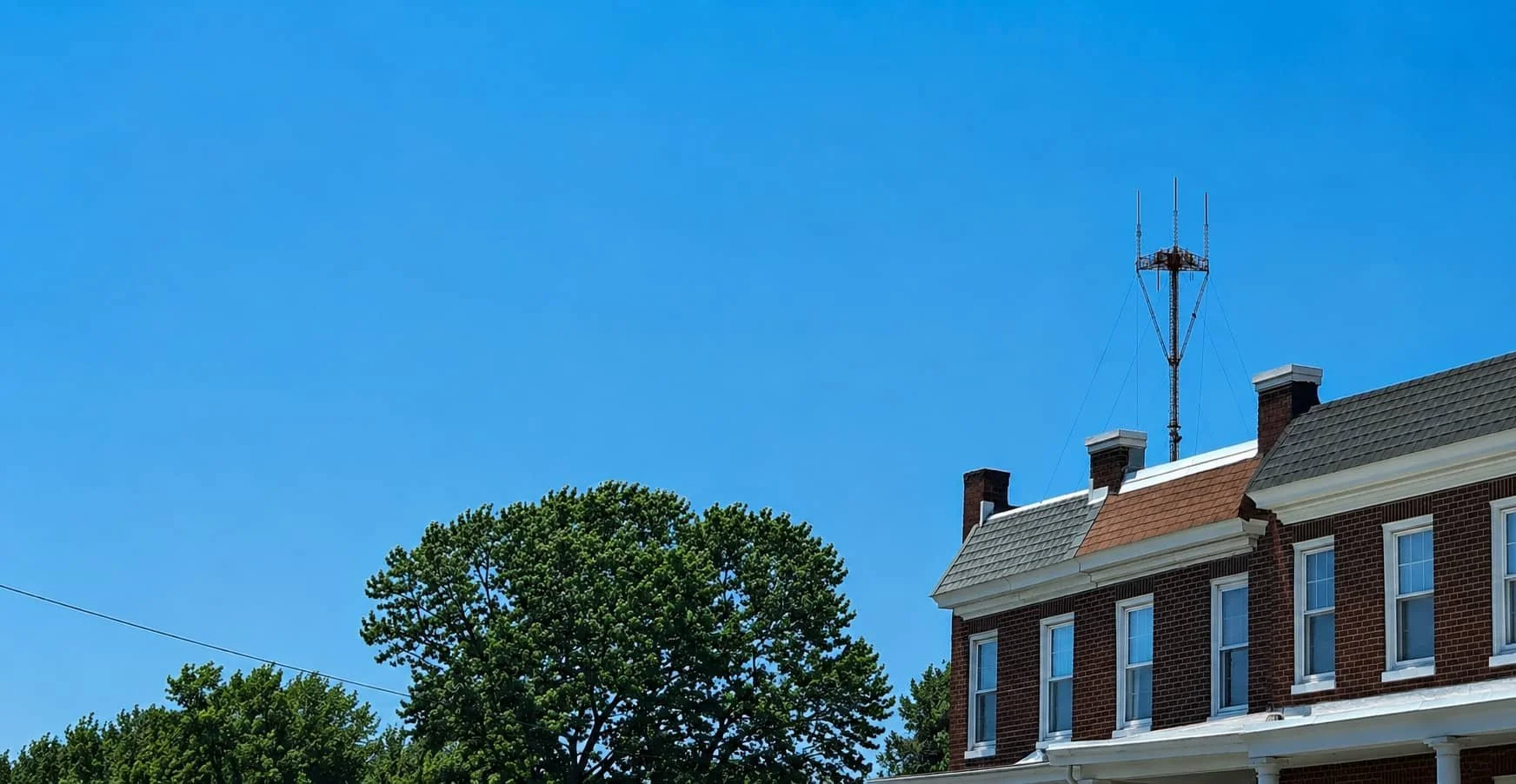
In 2022, lead paint was removed from a 1,000-foot broadcast tower in Baltimore without proper containment measures. The contractor responsible for the work was not licensed in the State of Maryland, resulting in lead debris dispersing into surrounding communities.
At first glance, the incident appeared isolated — a single environmental failure tied to one location. But Urban Atlas Collective examines these moments differently.
This was not simply an accident. It was the predictable outcome of systems operating without equal protection, oversight, or accountability across urban space.
The tower site sits near Woodberry in Northwest Baltimore, but contamination concerns extended beyond the immediate area into surrounding neighborhoods, including historically Black communities. The geography of exposure reveals a broader truth: environmental risk is rarely random. It follows spatial patterns shaped by infrastructure, disinvestment, race, and uneven environmental protection.
The incident raises larger questions about who is protected, who is exposed, and how environmental hazards become embedded within the built environment itself.
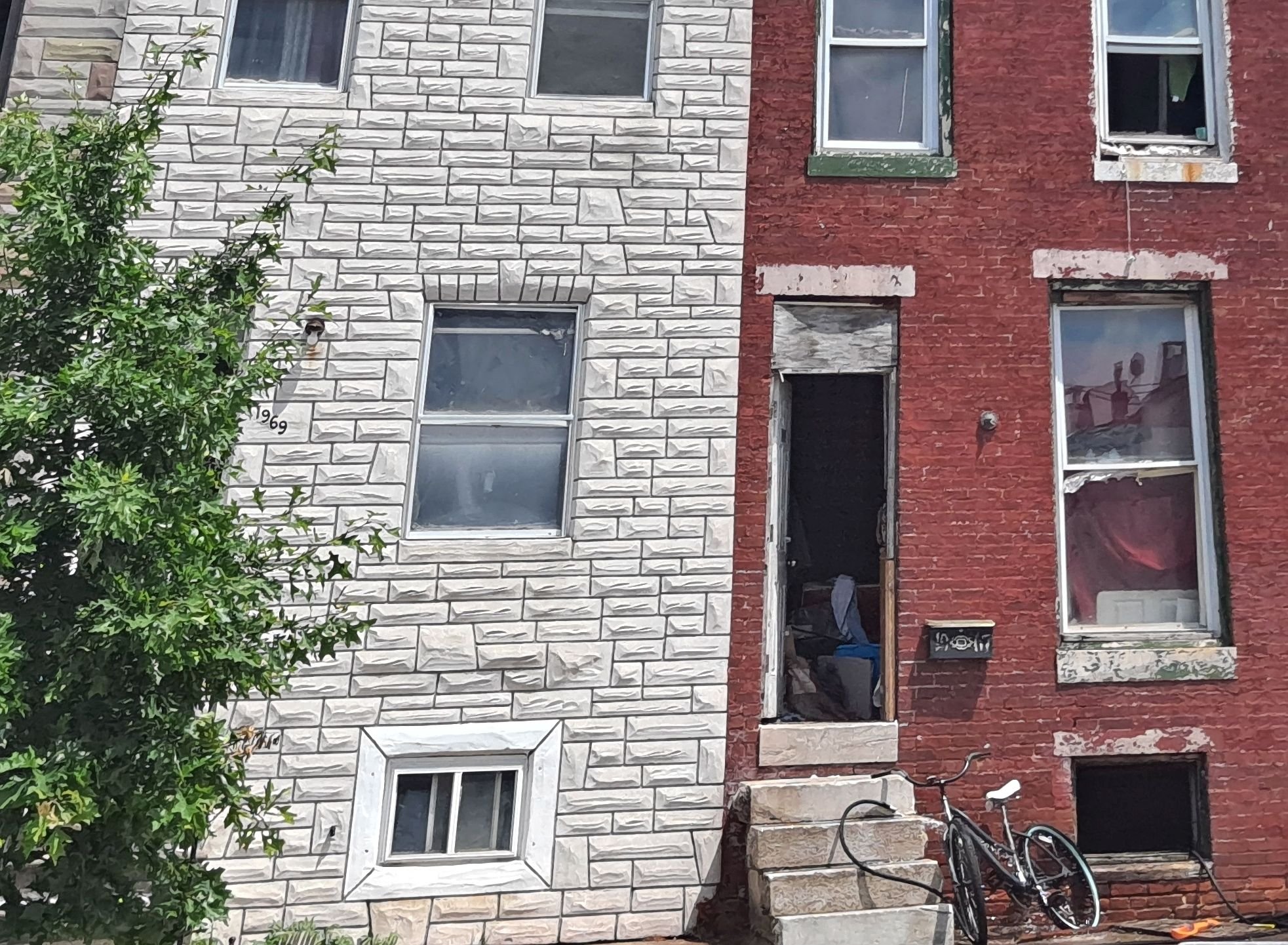

Through mapping, visual storytelling, photography, and spatial analysis, Urban Atlas Collective explores how environmental events like this intersect with structural inequality, public health, and community vulnerability across Baltimore.