The ARCHIVES
Evidence preserved. Stories uncovered.
THE ARCHIVES
History does not disappear. It is archived.The Urban Atlas Collective Archive preserves photographs, planning documents, community letters, maps, oral histories, and visual evidence that reveal how policy shaped Baltimore's neighborhoods over time.Through spatial analysis, documentary research, GIS mapping, photography, and community-engaged inquiry, Urban Atlas Collective works to make vsystems and structural inequities visible and tangible and open the dialouge about how these issues shape neighborhoods over time.HISTORICAL DOCUMENTS
Discover planning reports, government records, newspaper articles, correspondence, and primary source materials that document Baltimore's evolving landscape.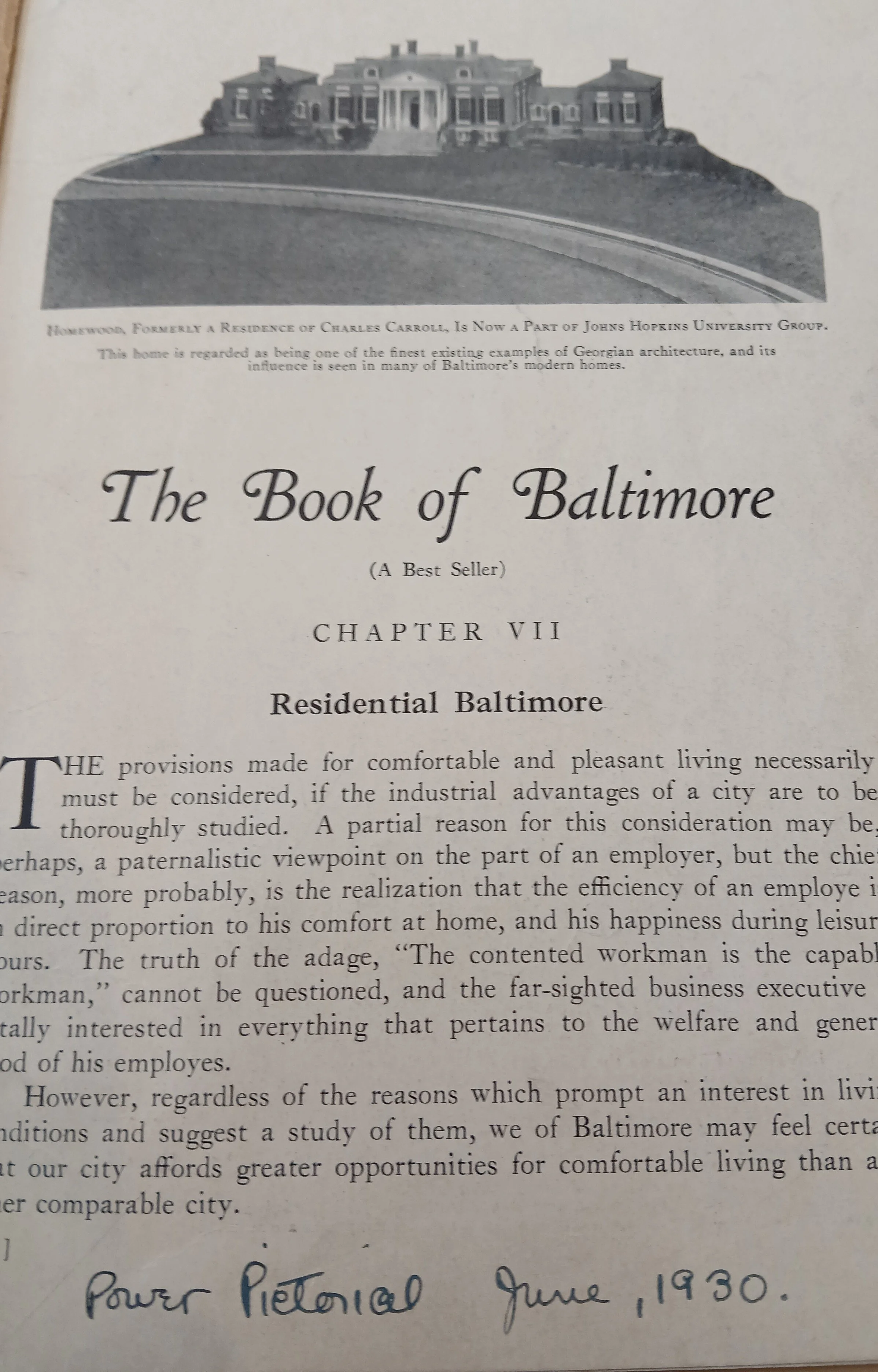
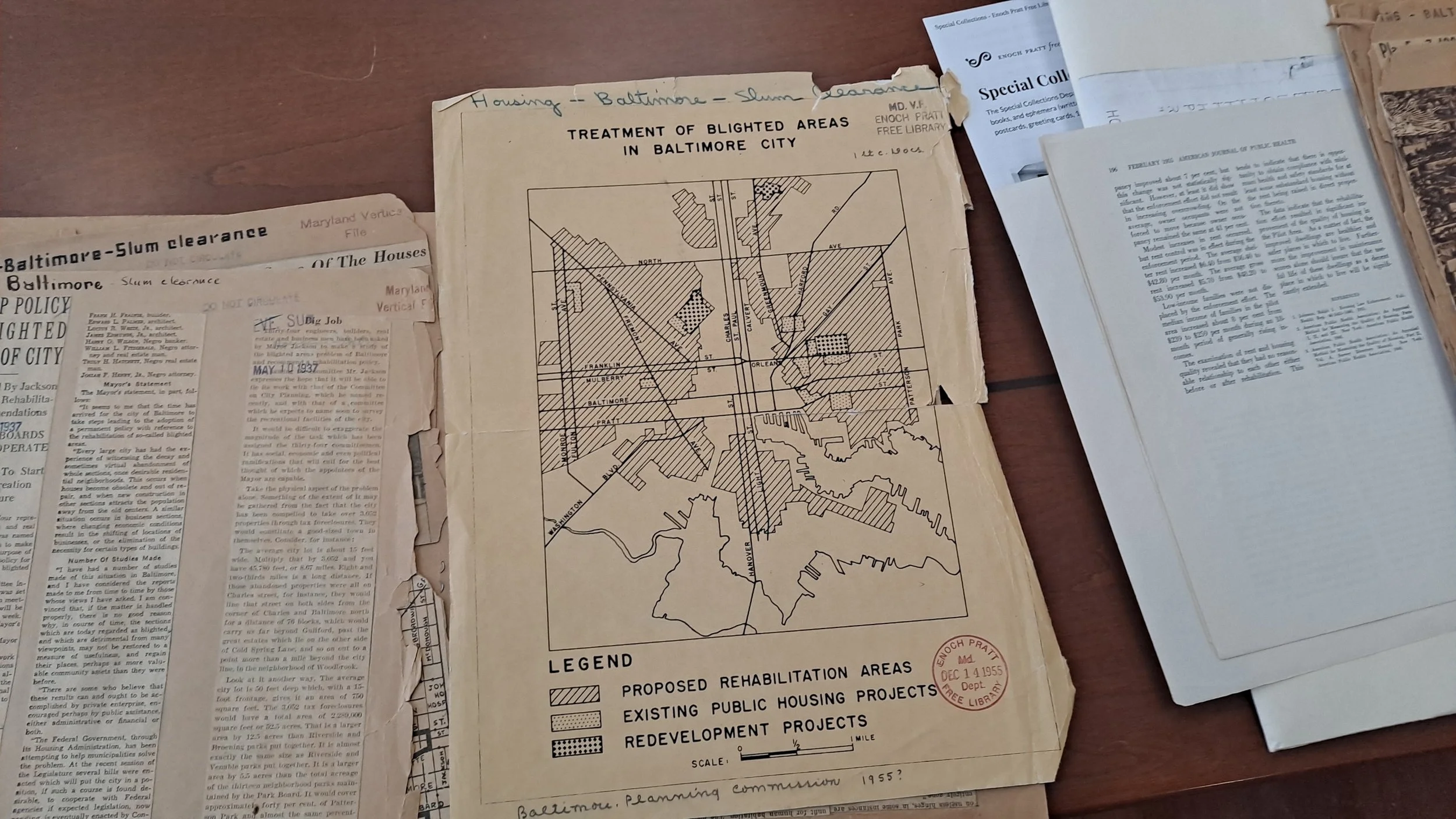
HISTORICAL MAPS
Explore historic maps, atlases, redlining maps, planning maps, and GIS visualizations that reveal how policy shaped neighborhoods across Baltimore. urban research begins in the field - listening, observing, and understanding how people experience place in their everyday lives.
PHOTOGRAPHY/ VISUAL ART
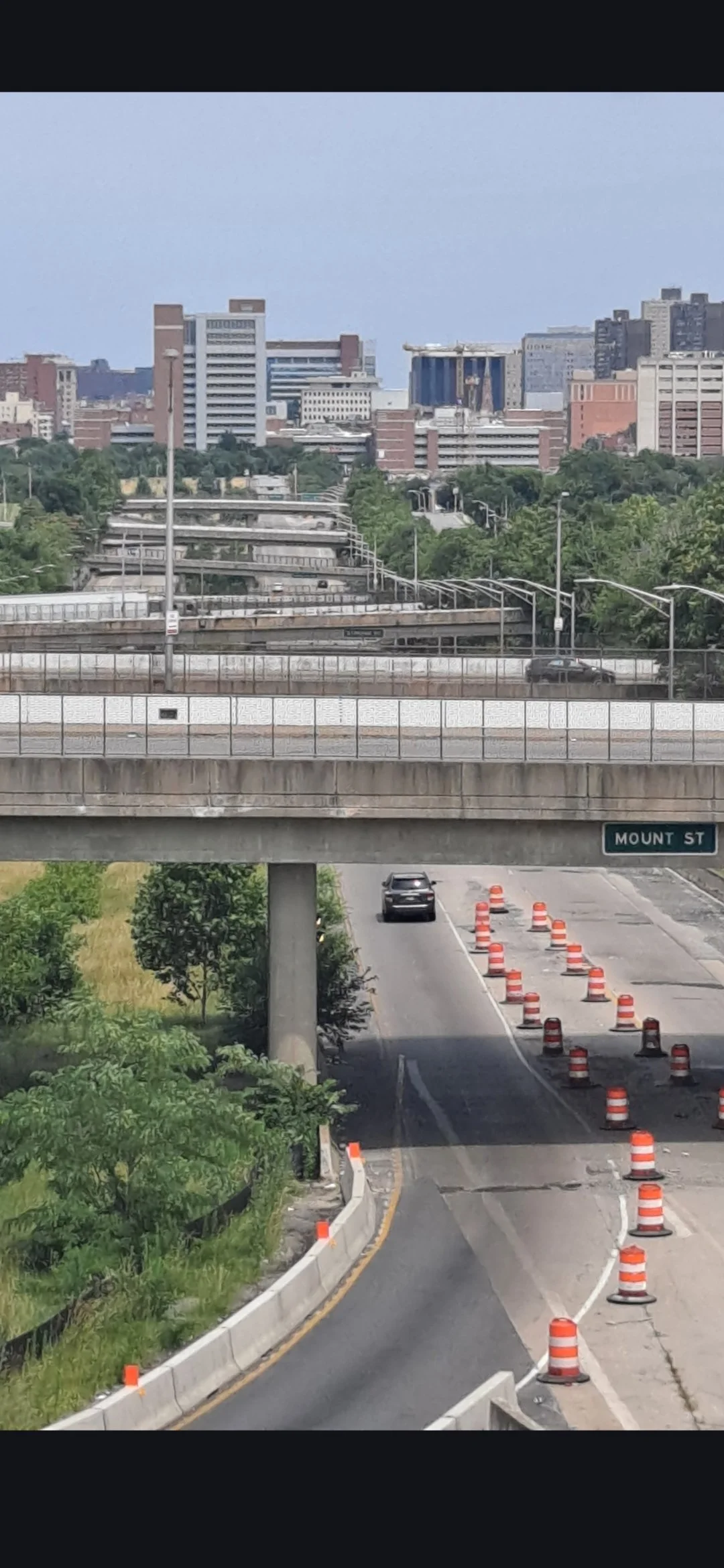
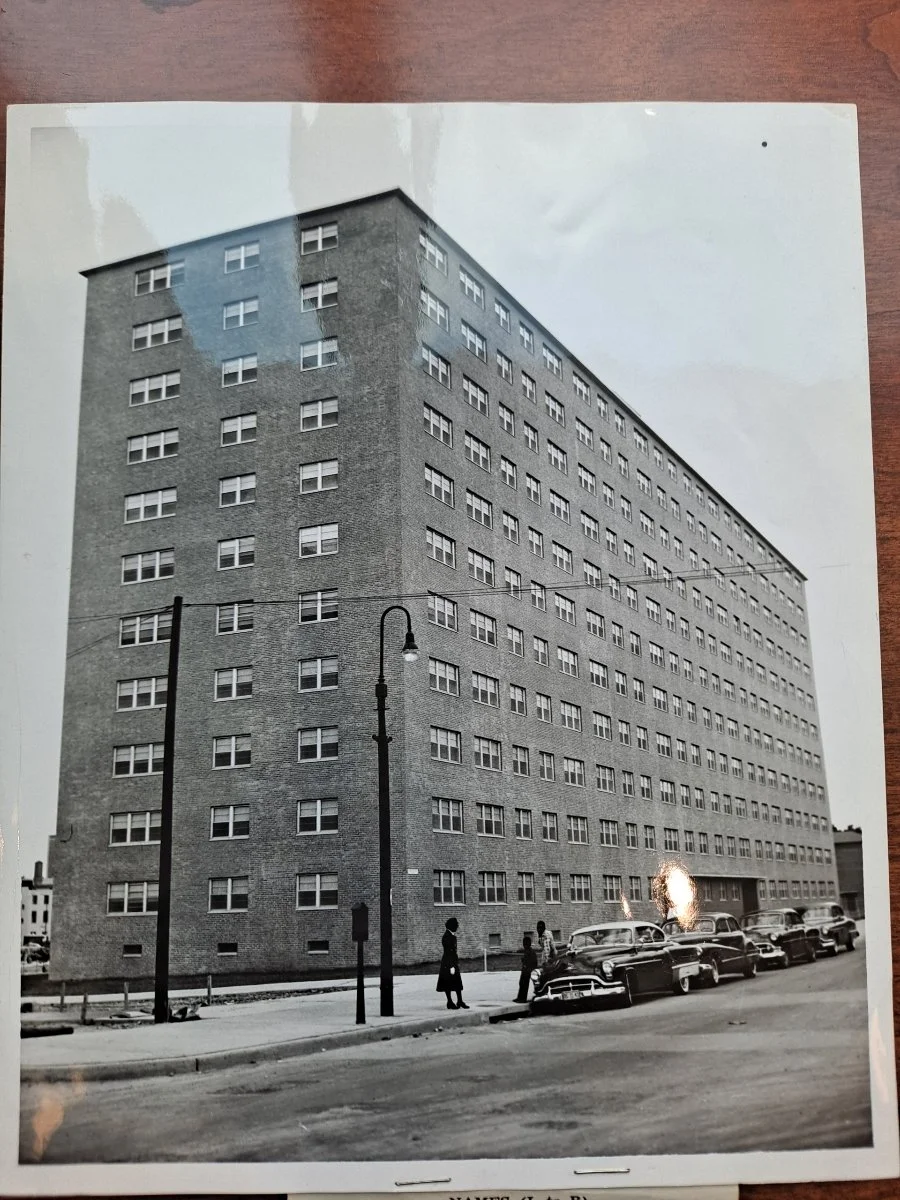
Original photography paired with archival images captures Baltimore's changing neighborhoods through time, documenting both preservation and transformation.
DOCUMENTARY FIELD WORK
Behind every Urban Atlas Collective project is field research—interviews, observations, archival visits, and documentary production that connect people to place.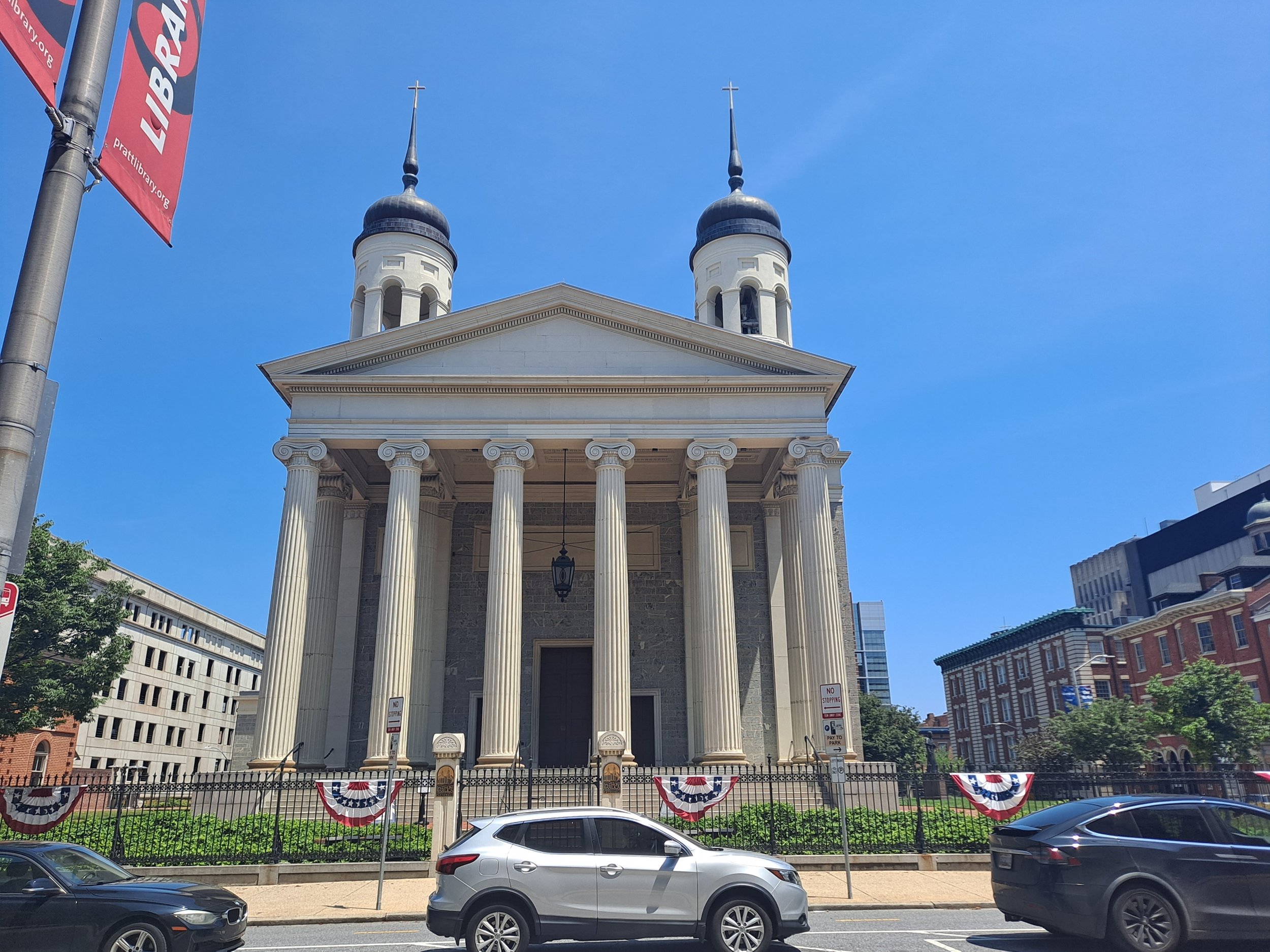
FEATURED COLLECTION
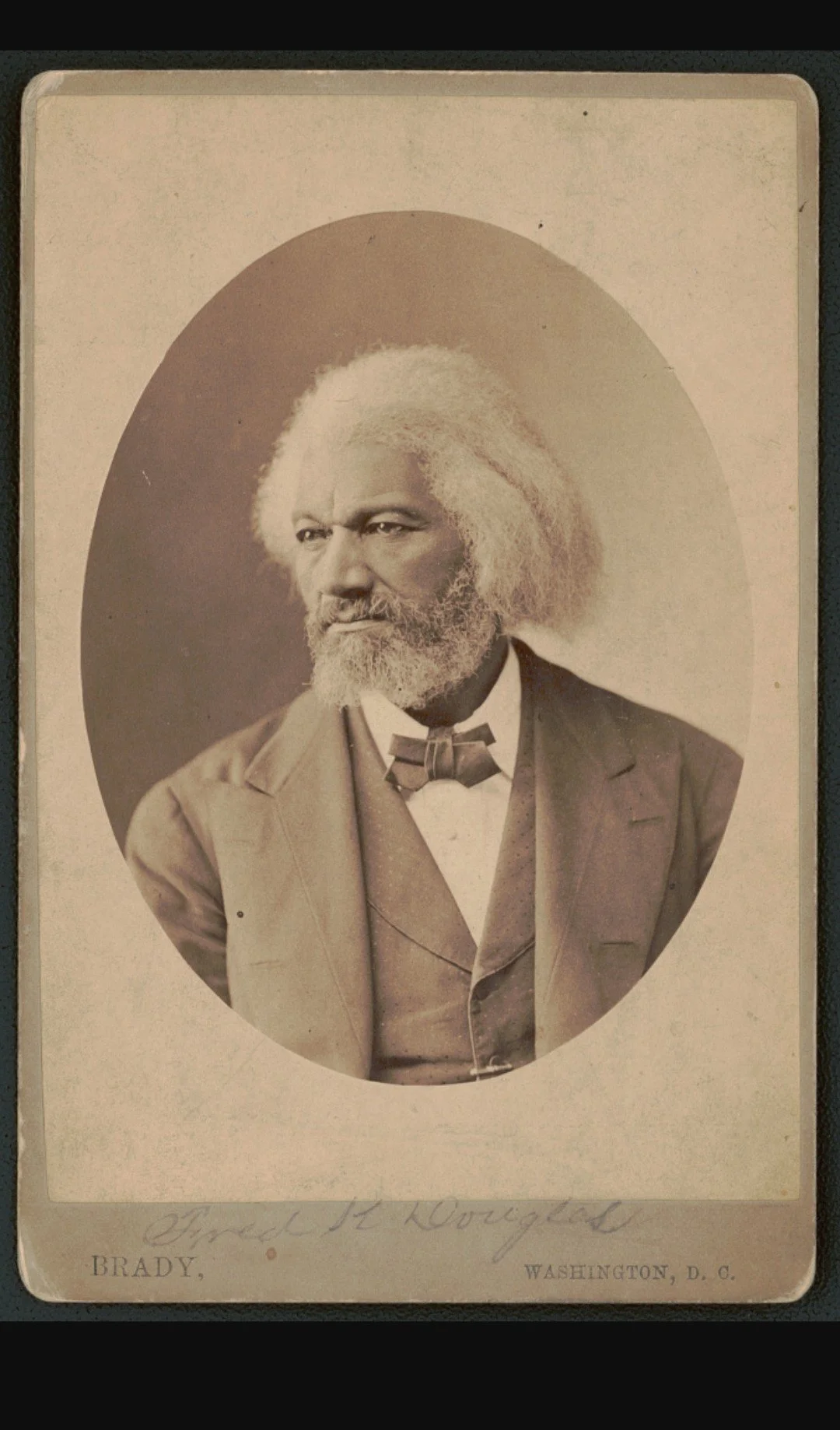
Curated research collections bring together multiple sources around a single topic—from school closures and urban renewal to historic preservation and environmental justice.
Research & Publications
Explore published research, policy briefs, maps, and visual storytelling produced through Urban Atlas Collective's ongoing work.
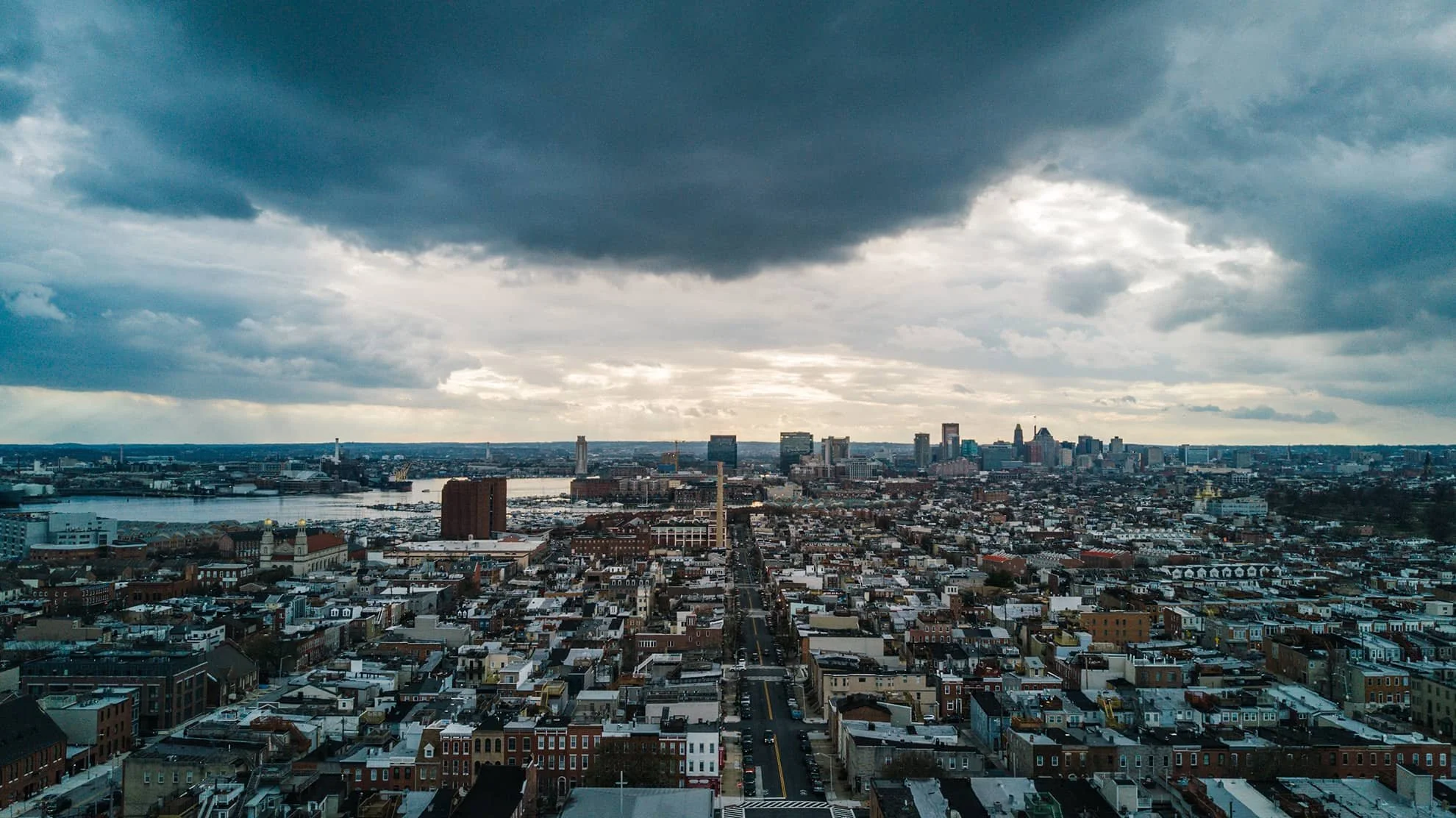
PRESERVING THE RECORD
History is more than what survives in books—it lives in maps, photographs, planning documents, newspaper archives, and the lived experiences of communities. Urban Atlas Collective preserves these materials so they remain accessible to researchers, educators, students, journalists, filmmakers, and future generations seeking to understand how cities evolve.By connecting historical evidence with present-day landscapes, the archive transforms individual records into a broader story of place, policy, and community.BUILDING A LASTING LEGACY
The Urban Atlas Collective Archive is a living collection that continues to grow through research, partnerships, documentary fieldwork, and community collaboration. Each new document, map, photograph, and oral history strengthens our understanding of Baltimore's past while informing conversations about its future.Together, these collections preserve not only what our cities looked like—but why they became the places they are today.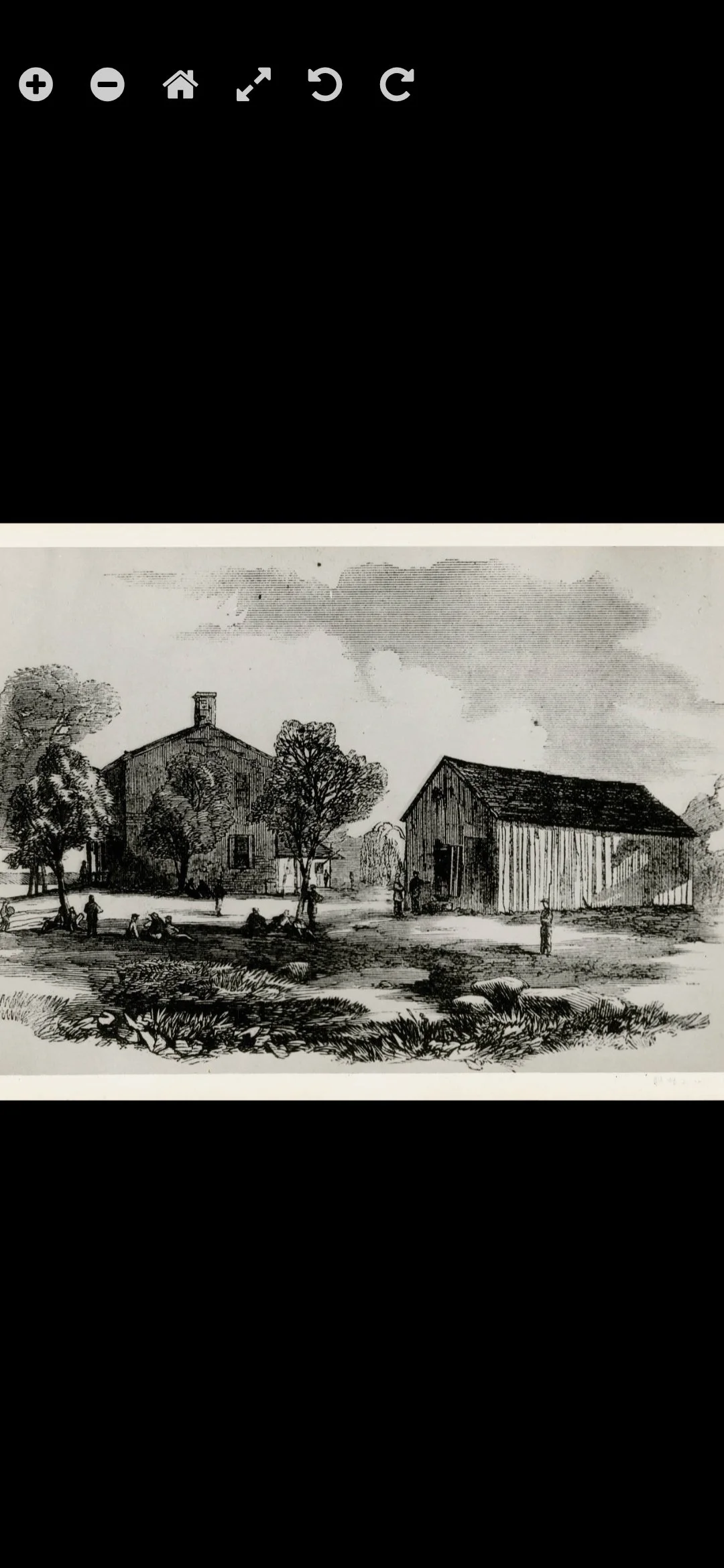
A LIVING ARCHIVE
The Urban Atlas Collective Archive is a living record of Baltimore's evolving story. Never complete, it grows with every document uncovered, photograph captured, interview recorded, and map analyzed—deepening our understanding of the city's past while informing conversations about its future.We invite researchers, historians, educators, students, institutions, journalists, filmmakers, and community members to explore the collection, contribute new discoveries, and help preserve the stories that continue to shape our urban landscape.Every collection begins with a single discovery. The next chapter is still being written.ENTER THE ARCHIVES
Every map, photograph, newspaper clipping, planning document, and field observation preserved here represents another piece of Baltimore's story.
The Urban Atlas Collective Archive is a growing collection of historical records, original photography, spatial analysis, and documentary fieldwork assembled to better understand how policy, place, and people shape the built environment.
This archive is not simply a record of the past—it is a resource for research, storytelling, and public memory.

JOIN THE CONVERSTION
Your History
Your Story…
COMMUNITY COLLABORATIONS